 |
|
 |
Get our FREE |
|
|
|
|
Get our FREE |
    |





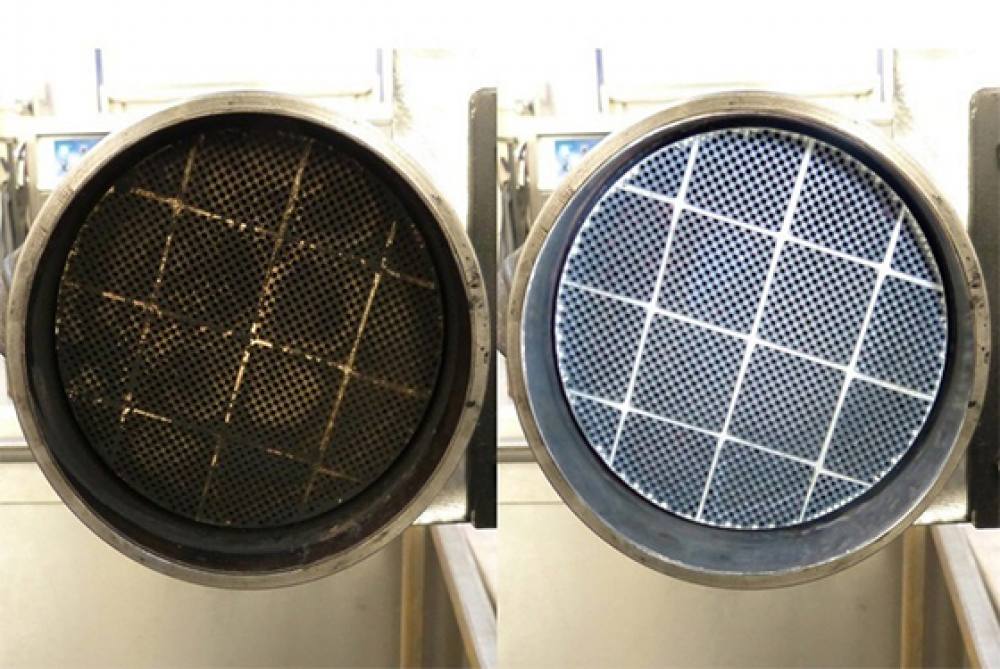
In California, strict regulations from the California Air Resources Board (CARB) require trucks to meet high emission standards, including the proper maintenance of Diesel Particulate Filters (DPF). These filters are designed to capture particulate matter, preventing harmful pollutants from being released into the air. Proper DPF maintenance not only helps you avoid fines and penalties from CARB and the California Highway Patrol (CHP) but also prevents unexpected breakdowns on the road. It is essential to stay alert to On-Board Diagnostics (OBD) alerts.
The Role of DPF in Emission Control
The DPF plays a crucial role in reducing Particulate Matter (PM) emissions, one of the most regulated pollutants in California. However, the buildup of soot and ash reduces the filter´s effectiveness, increasing back pressure on the engine. A clogged DPF can also trigger error codes and activate the engine´s protection mode, limiting the truck´s speed and power.
When to Clean Your DPF?
DPF cleaning does not follow a fixed schedule or mileage limit as it depends on several factors, including driving style, fuel quality, and load conditions. As a general rule, it is recommended to clean the DPF every 200,000 to 250,000 miles or when there is a noticeable increase in exhaust back pressure.
Three Main Methods for DPF Cleaning
1. Active Regeneration:
This process occurs automatically during high-speed driving when the engine increases the exhaust temperature to burn off accumulated soot. It is crucial to complete this process without interruptions.
2. Manual or Forced Cleaning:
Performed at a service center using specialized equipment that applies compressed air and controlled heat to remove accumulated ash and residues from the DPF.
3. When to Replace a DPF Filter:
If the filter is damaged or severely clogged, replacing it with a new one is the best option. Although costly, it ensures better engine performance and compliance with emissions regulations.
Expert Advice from Truck Stop Road Service
Truck Stop Road Service recommends scheduling regular DPF inspections to prevent clogging issues and ensure compliance with California´s strict emission standards. Additionally, our experts suggest professional DPF cleaning at least once a year to maximize fuel efficiency and extend the engine’s lifespan.
Stay Compliant and On the Road
For optimal truck performance and to comply with state regulations, contact Truck Stop Road Service today.

A recent decision by the U.S. Supreme Court overturning several tariffs imposed during the Donald Trump administration h...
read more...
The U.S. Department of Transportation (DOT) has announced the closure of 550 CDL training schools deemed fraudulent foll...
read more...
In the transportation industry—where fuel, maintenance, and insurance costs constantly pressure profitability&mdas...
read more...
Cargo theft no longer happens only through highway robberies. In recent years, a more sophisticated scheme has been grow...
read more...