 |
|
 |
Get our FREE |
|
|
|
|
Get our FREE |
    |








In the transportation industry—where fuel, maintenance, and insurance costs constantly pressure profitability—tax compliance is a critical responsibility for trucking entrepreneurs. For those operating as an S Corporation, March is a key date on the federal tax calendar.
The S Corporation structure remains popular among small and mid-sized carriers because it avoids double taxation. Corporate income and losses “pass through” directly to shareholders and are reported on their personal tax retu
s. However, this advantage carries a clear obligation: filing Form 1120-S with the IRS by March 15 (or the next business day if the deadline falls on a weekend).
Organized Accounting Is Essential
Preparation begins with accurate bookkeeping. It is vital to calculate annual revenue from freight loads, contracts, and other payments, while properly documenting deductible expenses. In trucking, major deductions typically include truck maintenance, commercial insurance premiums, fuel, wages, tolls, licensing fees, and equipment depreciation. Incomplete documentation can result in lost deductions or future IRS adjustments.
Each shareholder receives a Schedule K-1, a required document used to complete their individual tax retu
. Additionally, carriers operating in multiple states must review state-level filing requirements, which may vary significantly.
Extensions and Penalties
If you are unable to meet the filing deadline, you may request an automatic six-month extension using Form 7004. However, the extension applies only to filing—not to paying taxes owed. Properly estimating your tax liability helps avoid penalties and interest.
The IRS may impose fines for late filing, making it essential to maintain a structured tax calendar. Working with an accountant who specializes in the transportation industry is not an expense—it is a strategic investment.
Compliance Is Financial Discipline
Filing correctly does more than prevent penalties. It strengthens your company’s financial stability and professional credibility. Keeping your taxes current is not only a legal obligation—it reflects the responsibility of a serious business owner in today’s trucking industry.
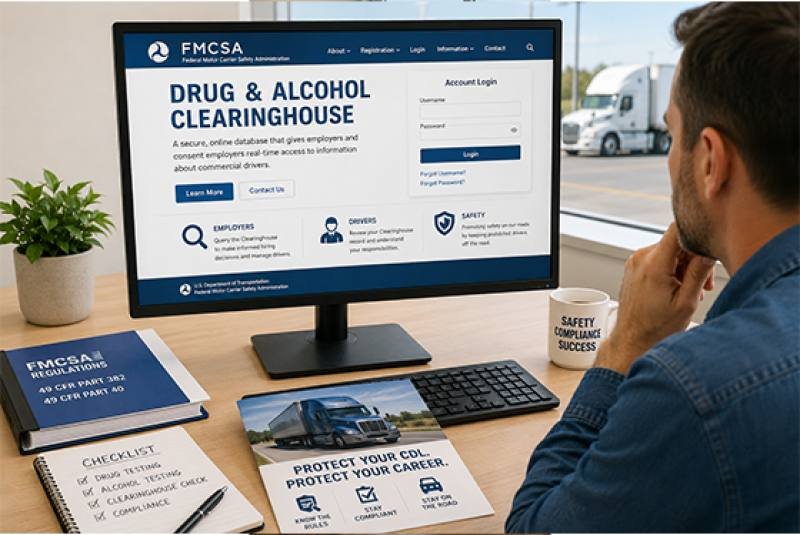
Many commercial drivers focus on maintaining a clean driving record, avoiding traffic violations, and protecting their C...
read more...
In our previous edition, we discussed tire blowouts during the summer months, a problem that becomes increasingly common...
read more...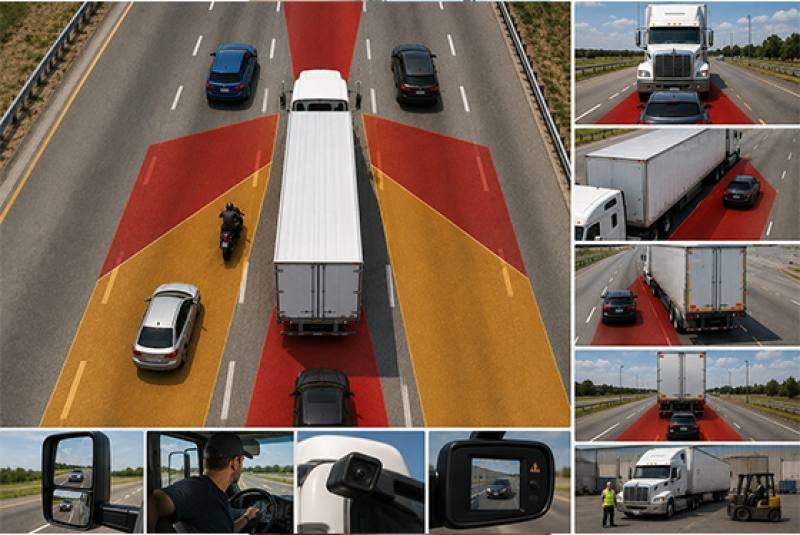
Every driver understands the concept of blind spots, yet they remain one of the leading causes of accidents involving co...
read more...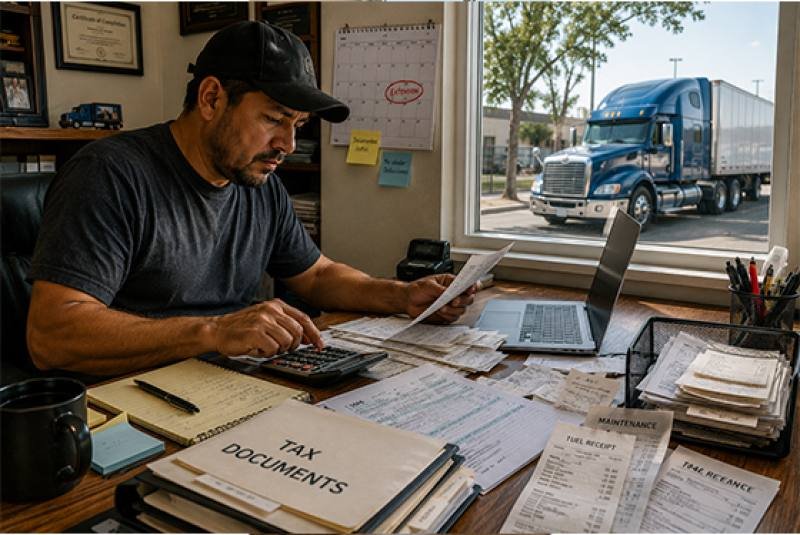
An Extension Is Not the End of the Road If you are an owner-operator or run a small trucking company, chances are you re...
read more...