 |
|
 |
Get our FREE |
|
|
|
|
Get our FREE |
    |








Spending long hours behind the wheel is part of every trucker’s daily grind — but that same routine can slowly damage the nervous system. Peripheral neuropathy, a condition that affects sensation and muscle strength, is becoming increasingly common among drivers who spend most of their day seated in one position.
Peripheral nerves are responsible for transmitting signals between the brain, spinal cord, and the rest of the body. When these nerves are damaged, drivers may feel tingling, numbness, pain, or weakness in their feet, legs, or hands. Common causes include prolonged pressure on nerves, poor circulation, constant pedal use, and metabolic disorders like diabetes — a condition that affects a large number of professional drivers.
Life on the road doesn’t always make healthy habits easy. Long driving shifts, irregular meal times, and diets high in sugar or processed foods can worsen nerve damage. That’s why health experts recommend eating a balanced diet rich in B vitamins, magnesium, and antioxidants — nutrients essential for nerve protection and proper muscle function.
Good circulation is also key. Simple habits can make a big difference: flex your ankles while driving, take breaks to stretch your legs, and wear cushioned shoes to reduce pressure on your feet. Some drivers use light compression socks to prevent swelling and numbness during long hauls.
Regular medical checkups are another important preventive step. Monitoring glucose, cholesterol, and blood pressure levels helps detect conditions that can lead to nerve damage. Avoiding excessive alcohol and quitting smoking also improve oxygen flow to tissues.
Cab ergonomics play a major role too. Adjusting the seat, backrest, and steering wheel correctly can reduce strain on the spine and legs, preventing nerve compression.
Neuropathy doesn’t appear ove
ight — it develops slowly over the years. That’s why taking care of circulation, nutrition, and posture should be part of every trucker’s personal maintenance routine, just like checking the brakes or the engine. With simple habits and consistency, it’s possible to maintain the sensitivity, strength, and well-being needed for a life on the move.

In trucking, tight delivery schedules can put drivers under a lot of pressure. The real problem starts when a dispatcher...
read more...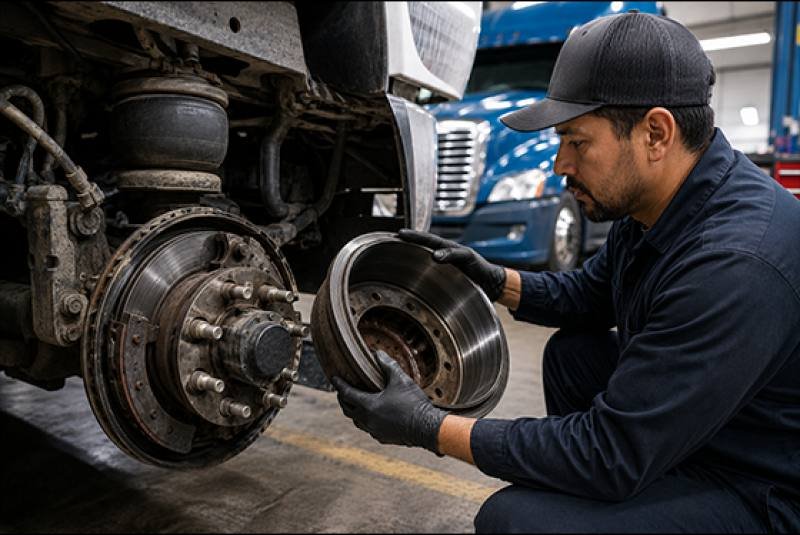
From August 23 through 29, 2026, Brake Safety Week will take place, with inspections focused on commercial vehicle braki...
read more...
Construction zones demand a driver’s full attention, especially when operating a loaded truck. Narrow lanes, sudde...
read more...
Ah, summer! It is one of the busiest times of the year for truckers, and with long hours on the road and plenty of fatig...
read more...