 |
|
 |
Get our FREE |
|
|
|
|
Get our FREE |
    |









The year 2026 is coming with major tax changes that every trucker should pay attention to. April 15 remains the deadline to report income to the IRS, and filing correctly can mean the difference between overpaying or saving thousands through legal deductions. The key is early preparation — the more organized you are, the better your results will be.
1. Get Your Income Organized Early
Starting January 2026, gather all documents that report your ea
ings. If you work as an independent contractor, LLC, or corporation, your main form will be the 1099-NEC (Non-Employee Compensation). If you don’t receive it, use your bank statements as proof of income. Keep everything in a dedicated tax folder — either digital or physical. Apps like QuickBooks Self-Employed or Expensify can help scan and organize receipts. Remember, the IRS expects you to report all your income; leaving one out can lead to penalties or extra payments later.
2. Protect Your Identity With an IRS PIN
Many truckers overlook the importance of the IP PIN (Identity Protection Personal Identification Number), especially those who’ve dealt with identity theft. This six-digit code is required to e-file your tax retu
and prevents others from using your information. The IRS usually sends it out in December. If you don’t receive it, you can request it for free at irs.gov/ippinp. Keep it in a safe place — without it, you can’t e-file, which could cause delays or late-filing penalties.
3. Keep Detailed Records of Your Expenses
Your operating expenses are deductible and can greatly reduce what you owe. Start tracking them from the beginning of the tax year. You can do it in a notebook, Excel sheet, or with professional help from experts like Jagg Tax Solution, Inc. (909-590-9307), which offers customized tax checklists for truckers.
Main deductible expenses include:
• Fuel: diesel receipts, mileage logs, and cost per gallon.
• Repairs and maintenance: oil changes, tires, brakes, and shop invoices.
• Depreciation: if you bought a new truck or equipment, keep the purchase contract.
• Insurance: tractor and business coverage payments.
• Other costs: tolls, parking, tools, uniforms, and meals (80% deductible).
Getting ready ahead of time doesn’t just prevent last-minute stress — it helps you maximize deductions and minimize taxes. Keep your records up to date, protect your PIN, store your receipts safely, and if possible, hire a tax preparer who specializes in truckers. Being ready before April 15, 2026 is the best way to secure your financial peace of mind and stay successful on the road.
For more information, contact our offices at 888-487-7522.
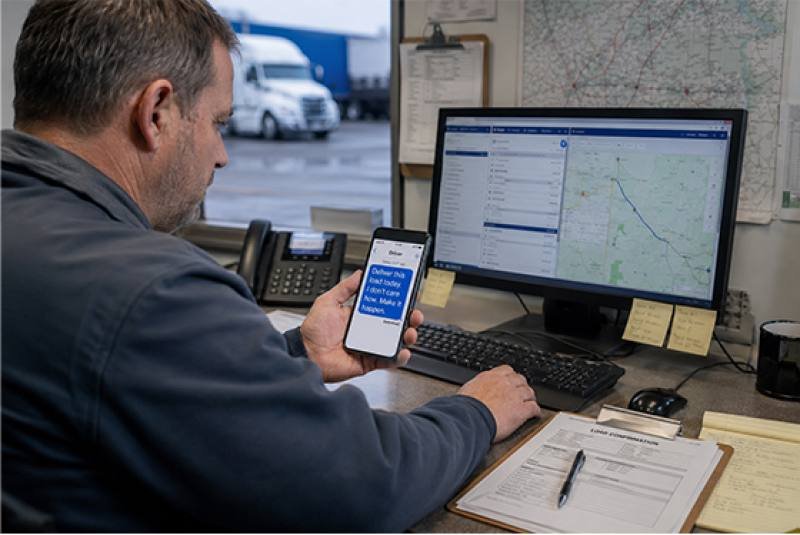
In trucking, tight delivery schedules can put drivers under a lot of pressure. The real problem starts when a dispatcher...
read more...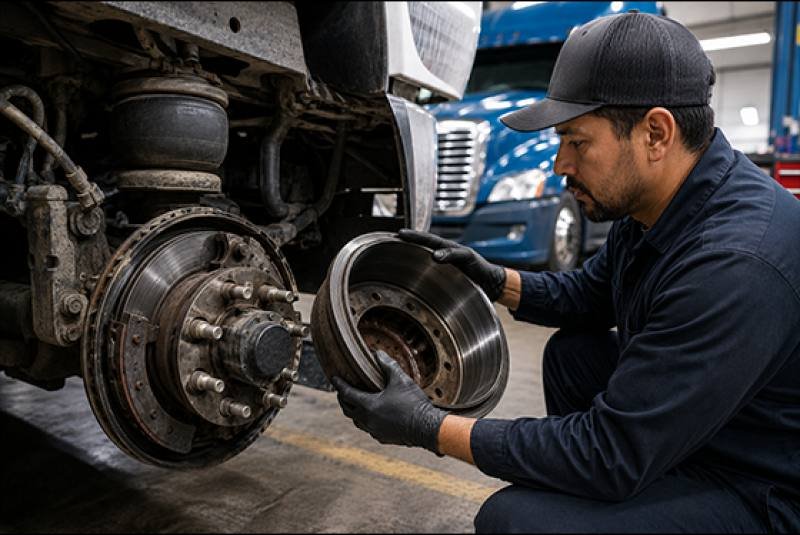
From August 23 through 29, 2026, Brake Safety Week will take place, with inspections focused on commercial vehicle braki...
read more...
Construction zones demand a driver’s full attention, especially when operating a loaded truck. Narrow lanes, sudde...
read more...
Ah, summer! It is one of the busiest times of the year for truckers, and with long hours on the road and plenty of fatig...
read more...