 |
|
 |
Get our FREE |
|
|
|
|
Get our FREE |
    |





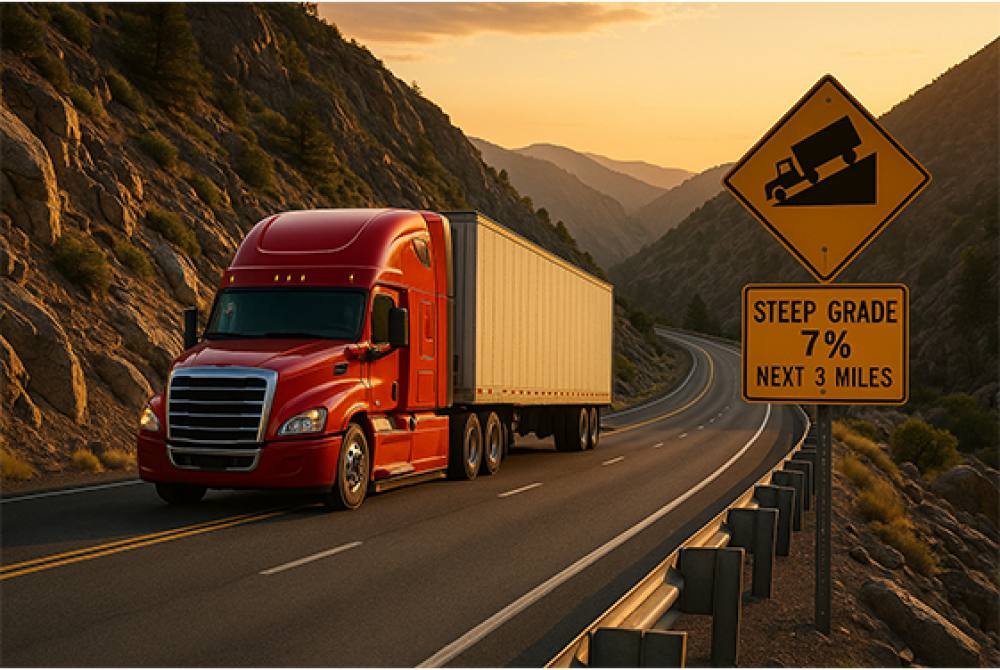
Few situations test a trucker’s skill like a steep, winding downhill grade. On those stretches, the vehicle’s weight, asphalt temperature, and brake pressure can combine into a dangerous mix if proper control techniques and preventive maintenance aren’t applied.
Air brakes, commonly used in heavy-duty trucks, operate through compressed air that activates brake chambers at each wheel. However, this system is designed to withstand only limited stress — excessive or continuous use on long downhill runs causes overheating, loss of pressure, and ultimately brake fade, a phenomenon that drastically reduces braking power.
According to the Federal Motor Carrier Safety Administration (FMCSA), about 30% of serious mechanical failures on the road are related to brake system issues — many of them entirely preventable with proper inspections.
Before beginning a descent, drivers should check air pressure levels (90–120 psi), inspect safety valves, and ensure there are no hose leaks or moisture buildup in the air tanks. During the descent, the key is using the correct combination of engine braking and low gear, allowing the drivetrain to absorb part of the effort without overloading the service brakes.
The engine brake — often known as the Jake Brake — is an essential tool, converting engine compression into resistance and helping reduce speed without overheating the brake drums or shoes. However, it must be used cautiously in rain or icy conditions, where traction can be compromised.
Caltrans and the Califo
ia Highway Patrol (CHP) require truckers to slow down before descending and maintain a steady low gear, especially on mountain routes like I-5 (Tejon Pass) and I-80 (Donner Summit). Ignoring these guidelines not only endangers lives but can also result in fines exceeding $1,000 or temporary vehicle shutdowns if inspectors find overheated or leaking brakes.
Routine maintenance — checking shoes, drums, springs, and compressor oil levels — should be performed every 10,000 to 15,000 miles, or before any mountain trip. A properly tuned brake system and a safe downhill technique are the difference between a smooth trip and a tragedy.
On the road, safety begins with control — and on a steep descent, the most important brake isn’t on the pedal, but in the driver’s caution and experience.
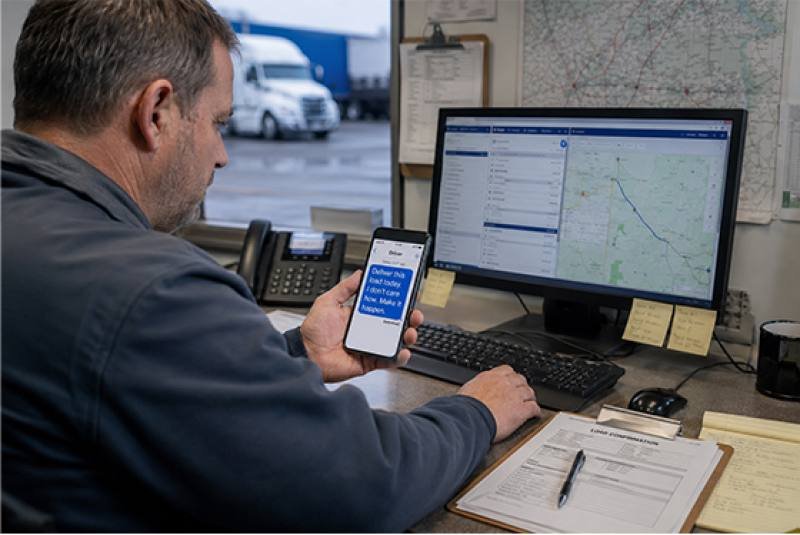
In trucking, tight delivery schedules can put drivers under a lot of pressure. The real problem starts when a dispatcher...
read more...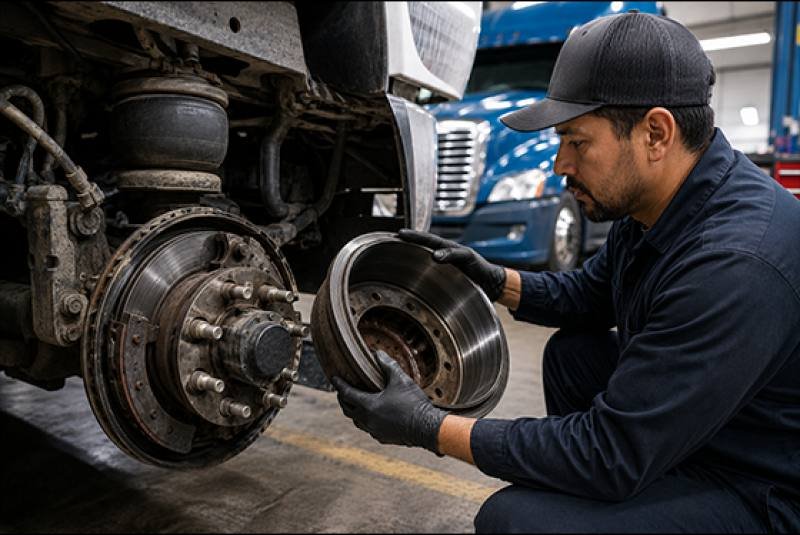
From August 23 through 29, 2026, Brake Safety Week will take place, with inspections focused on commercial vehicle braki...
read more...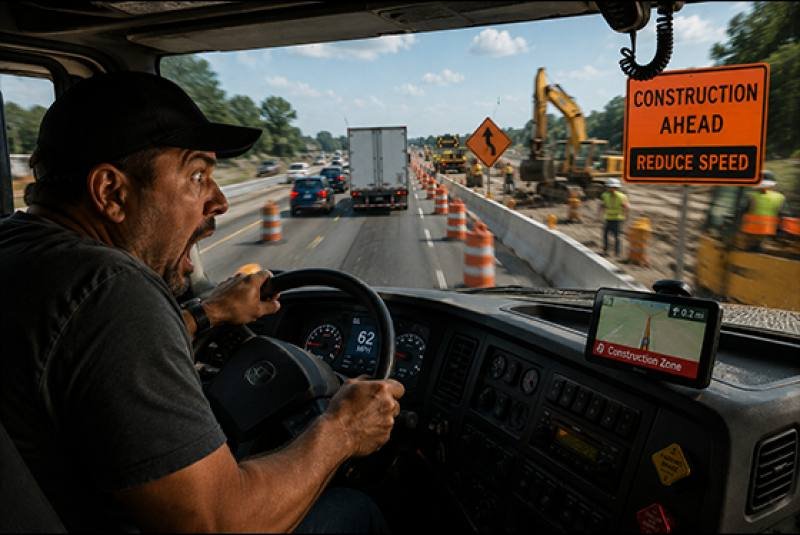
Construction zones demand a driver’s full attention, especially when operating a loaded truck. Narrow lanes, sudde...
read more...
Ah, summer! It is one of the busiest times of the year for truckers, and with long hours on the road and plenty of fatig...
read more...