 |
|
 |
Get our FREE |
|
|
|
|
Get our FREE |
    |






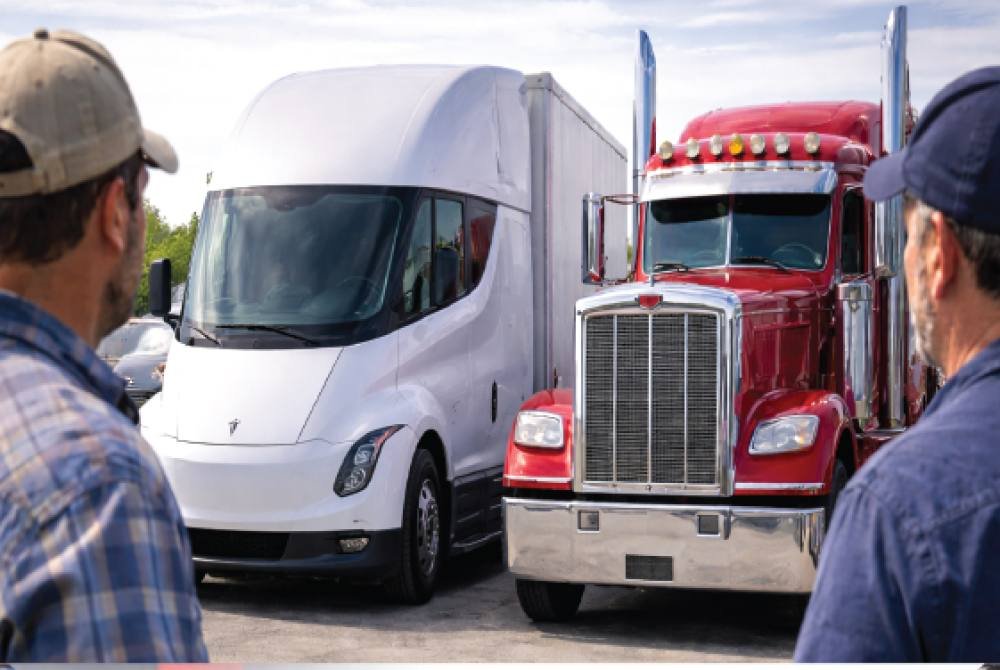
Over the past few years, fleets have been repeatedly faced with the same question: Should we invest in electric trucks? As 2026 approaches, however, the key issue is no longer which technology to choose, but what fleet strategy can truly adapt to a changing environment shaped by costs, reliability, infrastructure, and energy stability.
Industry forecasts agree on one central point: fleets are moving away from one-size-fits-all solutions. Electric vehicles will continue to grow, but in a more selective way. Hybrids, efficient diesel engines, and alte
ative fuels remain part of the equation. The new key performance indicator is no longer emissions alone, but energy resilience and uptime.
According to industry experts, electrification is shifting from ambition to practical application. Fleets are adopting electric vehicles only where operations allow it—predictable routes, fixed bases, and controlled daily cycles. A clear example is the Ford Pro E-Transit, which has delivered real fuel savings and emissions reductions when used in the right commercial applications.
Pricing is also starting to work in favor of electrification. Energy-sector analysts note that battery costs continue to decline, potentially bringing electric vehicles closer to price parity with inte
al combustion models in the near term. Still, vehicle cost is not the only hurdle. Grid capacity and access to reliable charging infrastructure remain real limitations.
As a result, fleet planning now includes grid reliability as a critical factor. Smart-charging projects have shown that poor energy management can create downtime as damaging as a mechanical failure. At the same time, alte
ative fuels such as propane autogas are gaining attention due to their stability, on-site storage capability, and lower dependence on the electrical grid.
Another important adjustment is fleet right-sizing—replacing oversized diesel trucks with smaller, more efficient vehicles where operations allow. This approach lowers costs, reduces maintenance, and cuts emissions without requiring extreme technological shifts.
In a landscape of changing regulations—especially in states like Califo
ia—fleets are avoiding putting all their bets on a single solution. The clear trend for 2026 is not choosing a winner, but diversifying intelligently.
The fleets best prepared for 2026 will not necessarily be the most electrified, but those that successfully balance costs, uptime, and energy reliability, keeping operations stable even as the rules of the game continue to change. Follow us each month to stay informed.

In trucking, tight delivery schedules can put drivers under a lot of pressure. The real problem starts when a dispatcher...
read more...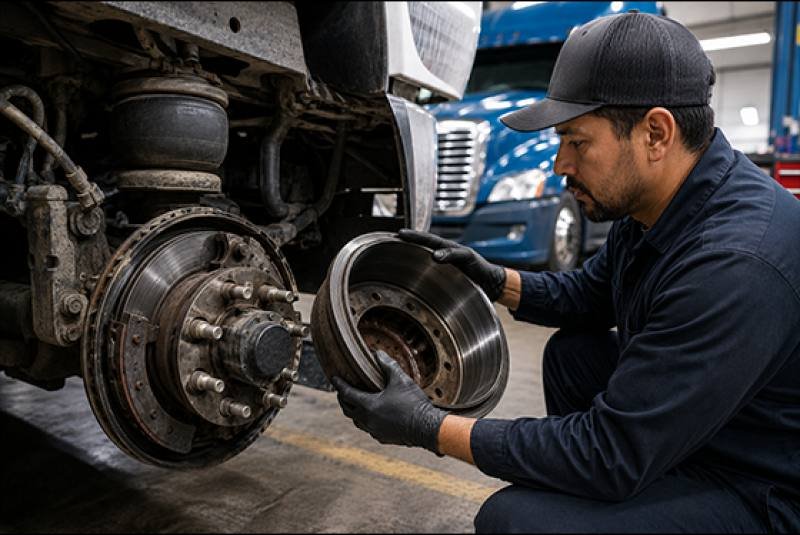
From August 23 through 29, 2026, Brake Safety Week will take place, with inspections focused on commercial vehicle braki...
read more...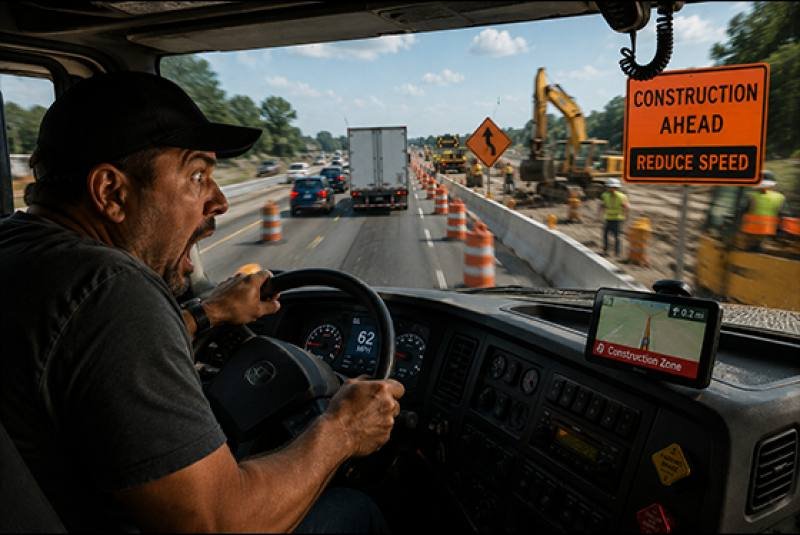
Construction zones demand a driver’s full attention, especially when operating a loaded truck. Narrow lanes, sudde...
read more...
Ah, summer! It is one of the busiest times of the year for truckers, and with long hours on the road and plenty of fatig...
read more...