 |
|
 |
Get our FREE |
|
|
|
|
Get our FREE |
    |






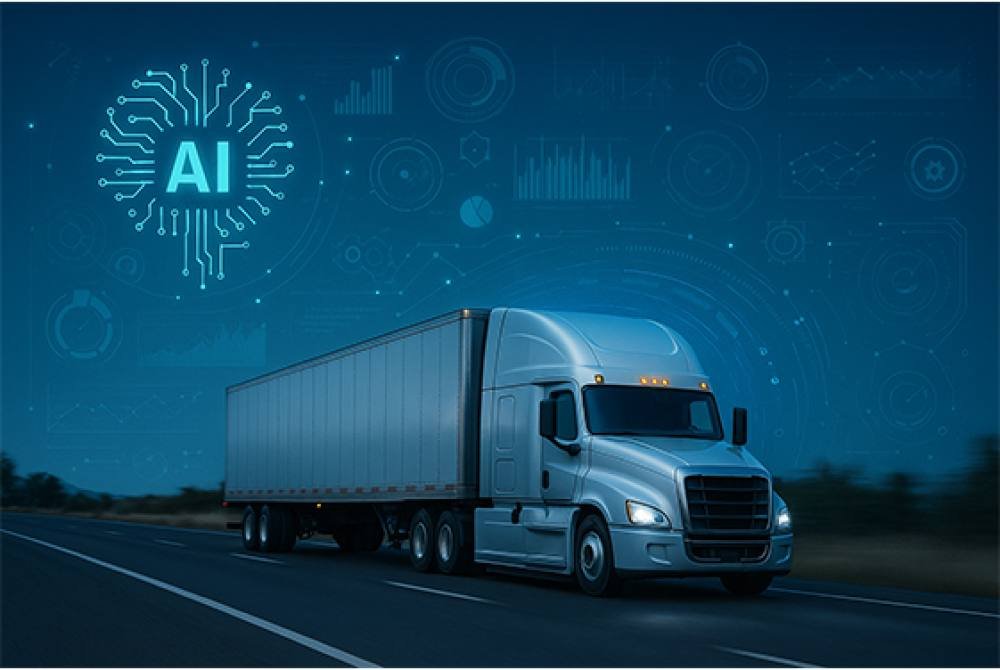
The integration of artificial intelligence (AI) in the freight transportation industry is no longer a future promise — it’s already transforming how routes are planned, fleets are maintained, loads are managed, and safety is ensured on the road. For operators, carriers, regulators, and drivers across Califo
ia and the rest of the U.S., AI offers a range of advantages that extend far beyond improving a single truck.
For example, AI-powered Advanced Driver Assistance Systems (ADAS) have helped reduce heavy-truck crashes by more than 40%, according to the National Safety Council. At the same time, route-optimization algorithms are cutting fuel consumption, travel time, and operating costs.
AI also plays a growing role in logistics and load planning. Intelligent systems can analyze real-time data — including traffic, weather, and road construction — to provide more efficient alte
ate routes, better delivery predictions, and higher fleet utilization.
Another key area is predictive maintenance, where sensors and AI work together to monitor vehicle components — such as the engine, brakes, and vibration levels — and detect potential failures before they occur. This prevents costly downtime and major repairs.
Here are some of the most significant benefits AI brings to the freight industry:
• Operational Efficiency: Reduced inefficient routes, optimized fuel use, and better truck utilization.
• Road Safety: Early risk detection, driver assistance, and automated safety systems.
• Sustainability and Cost Savings: Lower fuel consumption, fewer emissions, and reduced breakdowns.
• Improved Logistics and Supply Chain: Smarter forecasting, more accurate delivery times, and fewer losses.
However, implementing AI also requires adaptation — from data collection and workforce training to robust digital infrastructure and strong privacy and security policies.
In Califo
ia, with its high freight volume, border crossings, major interstate corridors, and large-scale fleets, AI is not an optional upgrade — it’s a strategic necessity to remain competitive, safe, and environmentally compliant.
In summary, artificial intelligence is redefining freight transportation from every angle. It’s no longer just about driving a truck — it’s about operating within an intelligent, connected, and adaptive system designed to meet mode
challenges. For those behind the wheel, in fleet offices, or managing logistics chains, understanding and embracing AI means being part of the future of transportation.
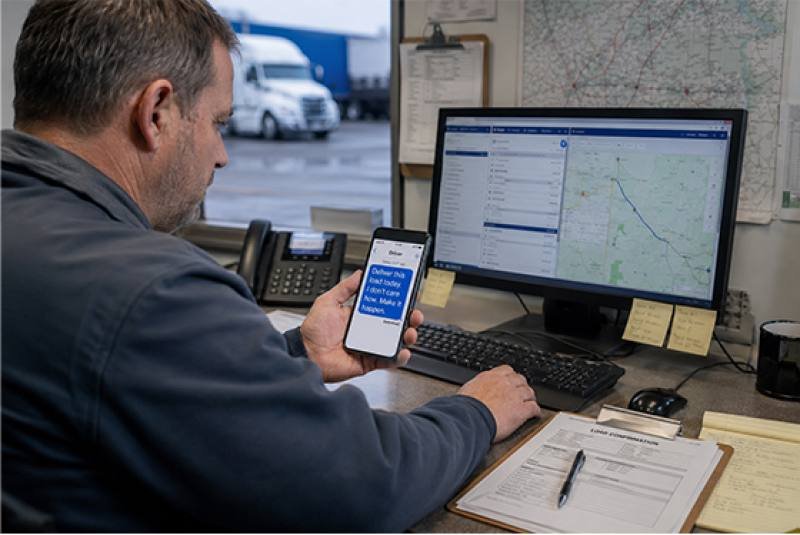
In trucking, tight delivery schedules can put drivers under a lot of pressure. The real problem starts when a dispatcher...
read more...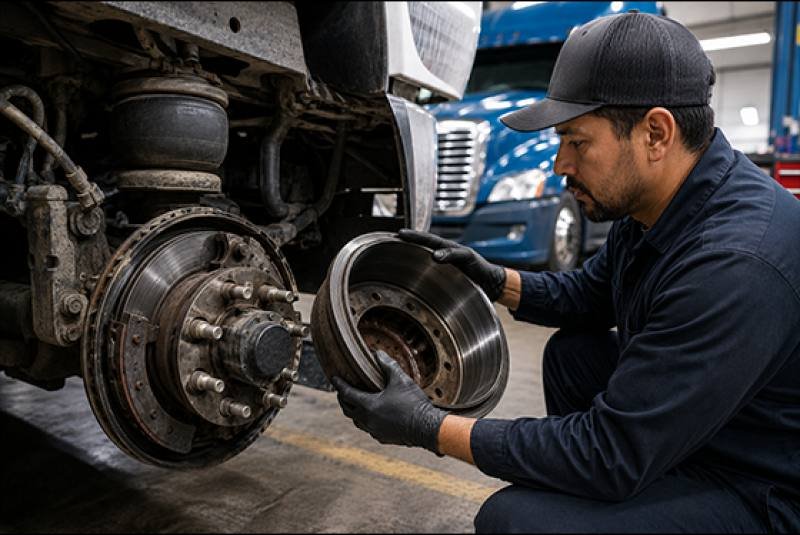
From August 23 through 29, 2026, Brake Safety Week will take place, with inspections focused on commercial vehicle braki...
read more...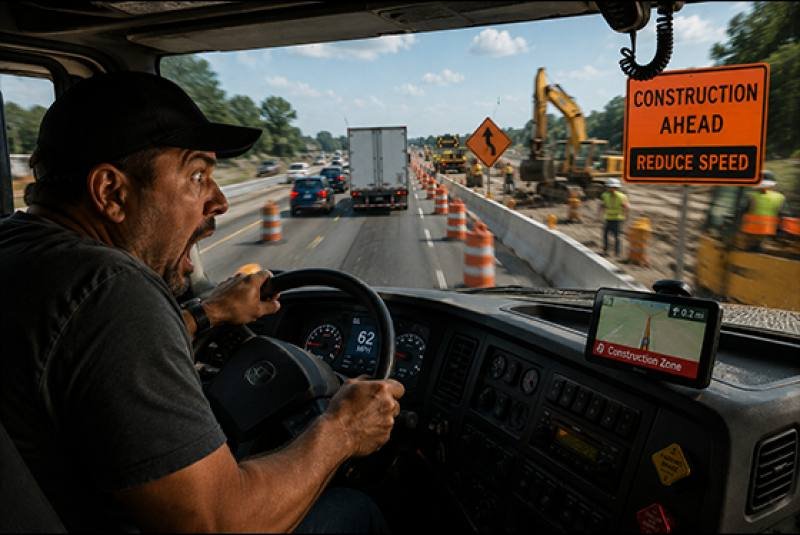
Construction zones demand a driver’s full attention, especially when operating a loaded truck. Narrow lanes, sudde...
read more...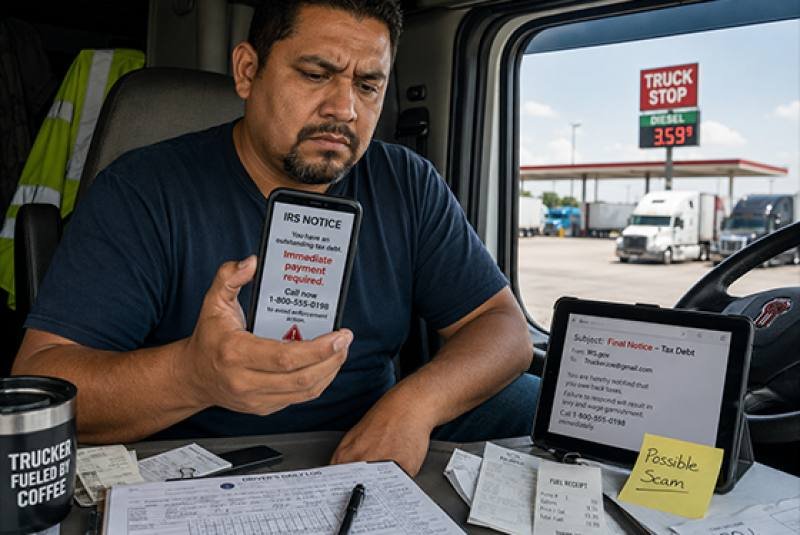
Ah, summer! It is one of the busiest times of the year for truckers, and with long hours on the road and plenty of fatig...
read more...