 |
|
 |
Get our FREE |
|
|
|
|
Get our FREE |
    |






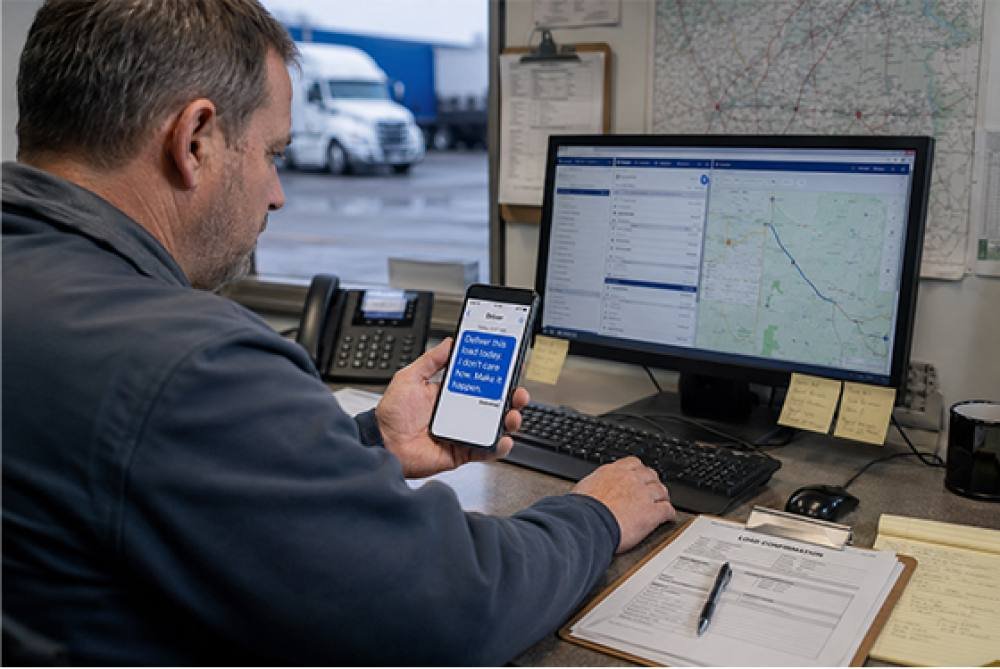
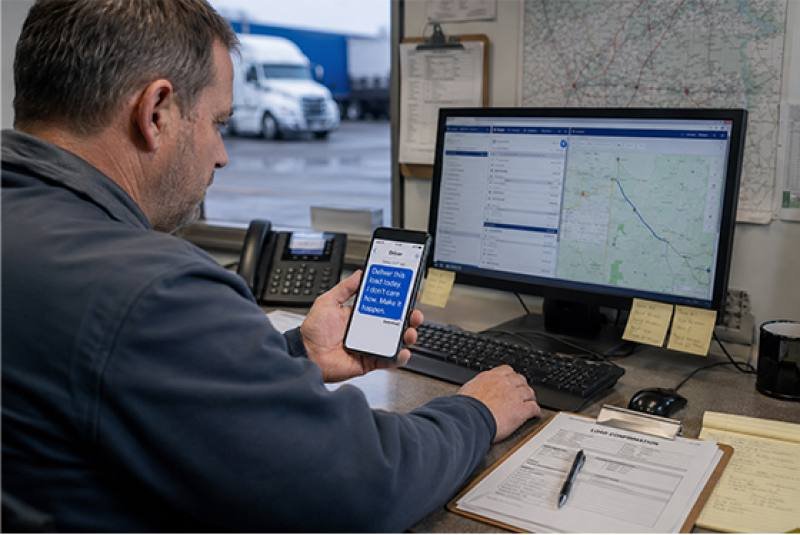
In trucking, tight delivery schedules can put drivers under a lot of pressure. The real problem starts when a dispatcher, carrier, broker, or even a customer pushes a driver to keep moving even though doing so would violate federal safety rules.
Under the law, this is known as “coercion.” In plain language, it means someone is pressuring, threatening, or punishing a driver to make them operate illegally.
It can happen in many ways. A driver may be told to keep driving after running out of legal hours, ignore a serious mechanical problem, change or falsify logs, keep going while dangerously fatigued, or operate a truck that is not safe to be on the road. A driver may also be threatened with fewer loads, lower pay, or even termination for refusing to break the rules.
But “I was just following orders” will not protect a driver from responsibility. If you agree to operate illegally, you may also face fines, violations, or consequences that could affect your CDL. That is why it is important to clearly explain why you are refusing and to put it in writing. A message such as, “I’m out of available driving hours, and continuing would violate the Hours of Service rules,” can help document what happened.
Whenever possible, save text messages, emails, screenshots, ELD records, photos of mechanical problems, inspection reports, and the names of any witnesses. Write down the date, location, load number, and a clear description of the situation.
Drivers can report this type of pressure to the FMCSA. When filing a complaint, include as much detail and supporting evidence as possible.
Your CDL is worth more than one load. No company should pressure you into risking your license, your safety, or someone else’s life just to make a delivery. Refusing an illegal order does not make you a difficult driver. It means you are protecting yourself and doing your job like a professional.
This article is for informational purposes only and is not a substitute for legal advice from a qualified atto
ey.
In trucking, tight delivery schedules can put drivers under a lot of pressure. The real problem starts when a dispatcher...
read more...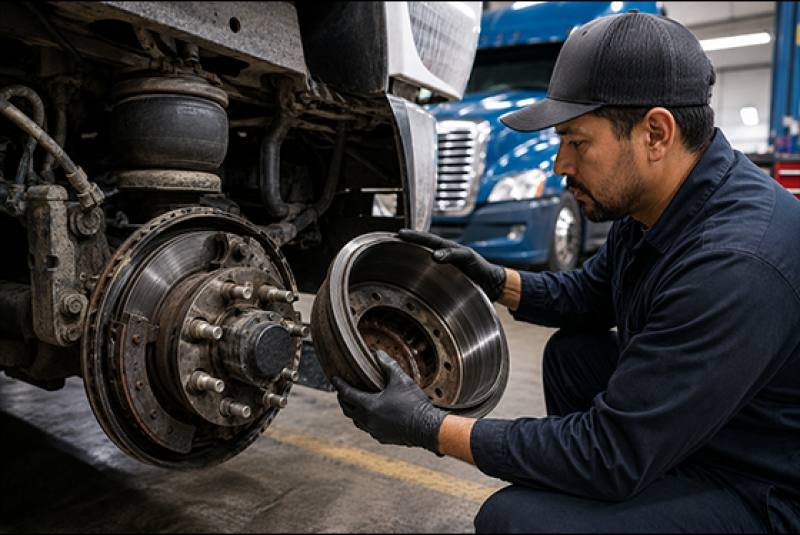
From August 23 through 29, 2026, Brake Safety Week will take place, with inspections focused on commercial vehicle braki...
read more...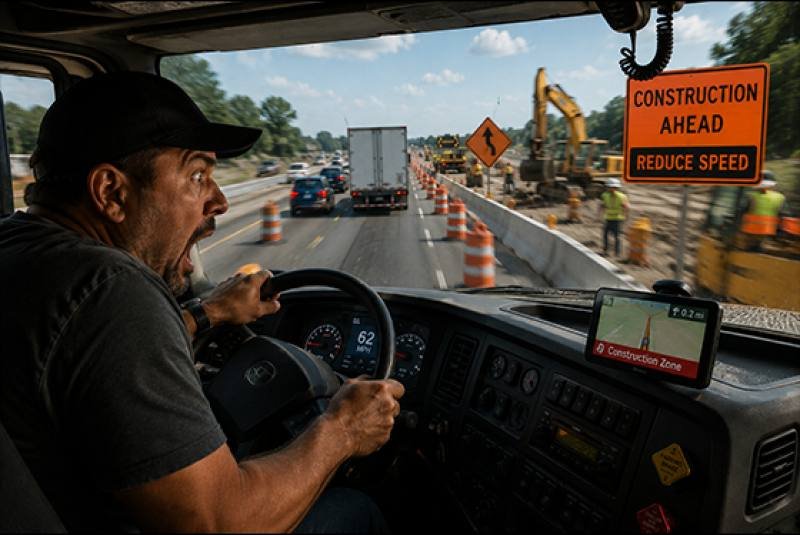
Construction zones demand a driver’s full attention, especially when operating a loaded truck. Narrow lanes, sudde...
read more...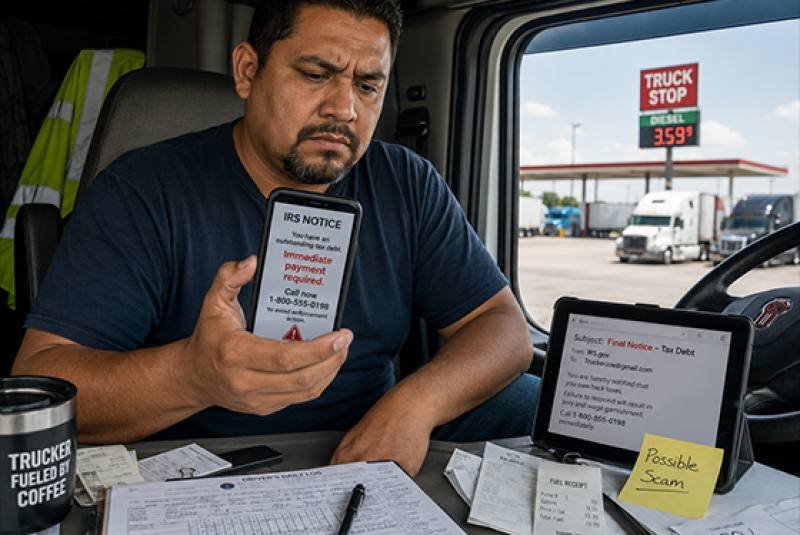
Ah, summer! It is one of the busiest times of the year for truckers, and with long hours on the road and plenty of fatig...
read more...