 |
|
 |
Get our FREE |
|
|
|
|
Get our FREE |
    |







Many truck drivers in Califo
ia work as independent contractors, believing this status gives them full freedom. But the reality is different: if the law determines that a driver is actually an employee, the primary legal risk does not fall on the owner-operator—it falls on the company that hired them.
Everything revolves around Califo
ia’s AB5 law, based on the well-known “ABC test.” For a driver to be classified as an independent contractor, the company must prove three things: that the driver operates independently, performs work outside the company’s core business, and runs their own established business. If even one of these conditions is not met, the law may classify the driver as an employee.
Why does this matter? Because if an audit or lawsuit determines there was a misclassification, the company can face serious consequences—fines, back pay, unpaid taxes, overtime, benefits, and other legal penalties. The main risk lies with the company, since it is responsible for treating the driver as a contractor when, legally, they should have been classified as an employee.
The owner-operator typically does not face direct penalties for this misclassification. However, they can still be affected indirectly. For example, they may become involved in legal disputes, need to amend tax filings, or be pulled into labor investigations.
In addition, agencies such as the Califo
ia Labor Commissioner and federal regulations enforced by the Federal Motor Carrier Safety Administration are paying closer attention to this issue. As a result, many companies have adjusted their business models or stopped working with owner-operators altogether.
Here’s the key point: if a company controls your schedule, routes, rates, or the way you perform your work, there is a high likelihood you will be legally considered an employee. And if an accident or lawsuit occurs, that classification can directly determine the company’s liability.
Many drivers sign contracts without fully understanding what they mean. But in this industry, it’s not enough to know how to drive—you also need to understand where the company you work for stands under the law.
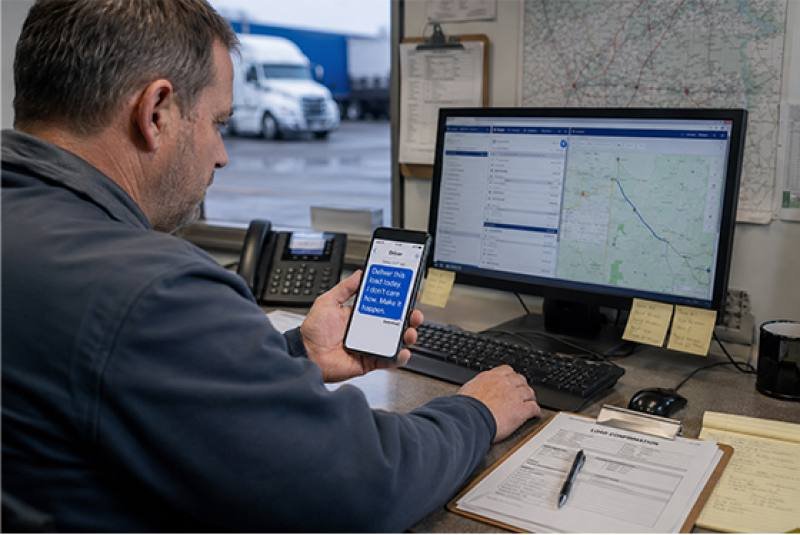
In trucking, tight delivery schedules can put drivers under a lot of pressure. The real problem starts when a dispatcher...
read more...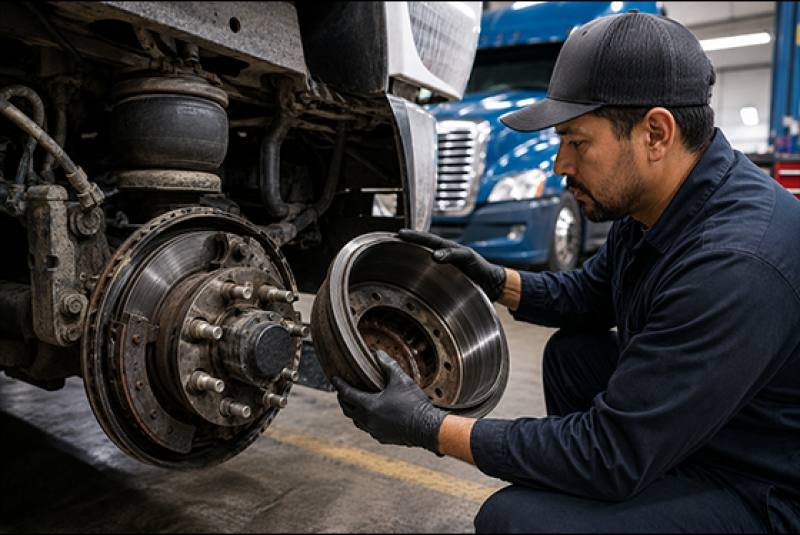
From August 23 through 29, 2026, Brake Safety Week will take place, with inspections focused on commercial vehicle braki...
read more...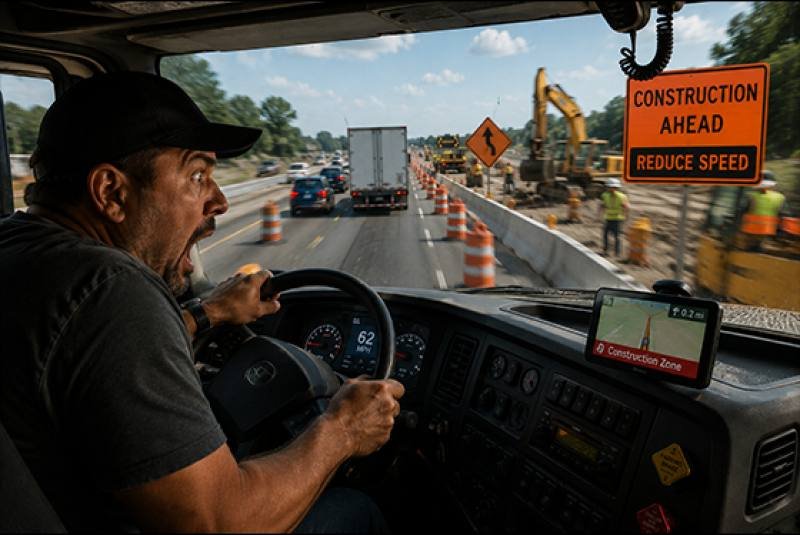
Construction zones demand a driver’s full attention, especially when operating a loaded truck. Narrow lanes, sudde...
read more...
Ah, summer! It is one of the busiest times of the year for truckers, and with long hours on the road and plenty of fatig...
read more...